Submitted by: Janet García-Levitas, PreK3-3rd Grade Spanish
El Día de los Muertos (The Day of the Dead) is celebrated on November 1st and 2nd in Mexico, Ecuador, Guatemala, El Salvador, and other Spanish-speaking countries in Central and South America. This holiday combines the ancient Aztec custom of celebrating their ancestors with Spanish traditions that were brought to Mexico in the early 1500’s. During this time, families visit cemeteries, planting flowers and decorating the headstones of their loved ones. Families also bring the deceased’s favorite foods to the cemetery, to be eaten by the family. The atmosphere is a happy and festive one, because it is believed that the spirits of their departed relatives have gone on to a better life. Families spend the night between November 1st and 2nd in the cemeteries, eating, dancing, and spending time with friends and relatives. Other activities include parades of skeletons in the street, special plays in the park, and some families create altars in their homes in honor of their loved ones. Día de los Muertos is a joyful time that helps people remember their loved ones, honor their memory, and celebrate life.
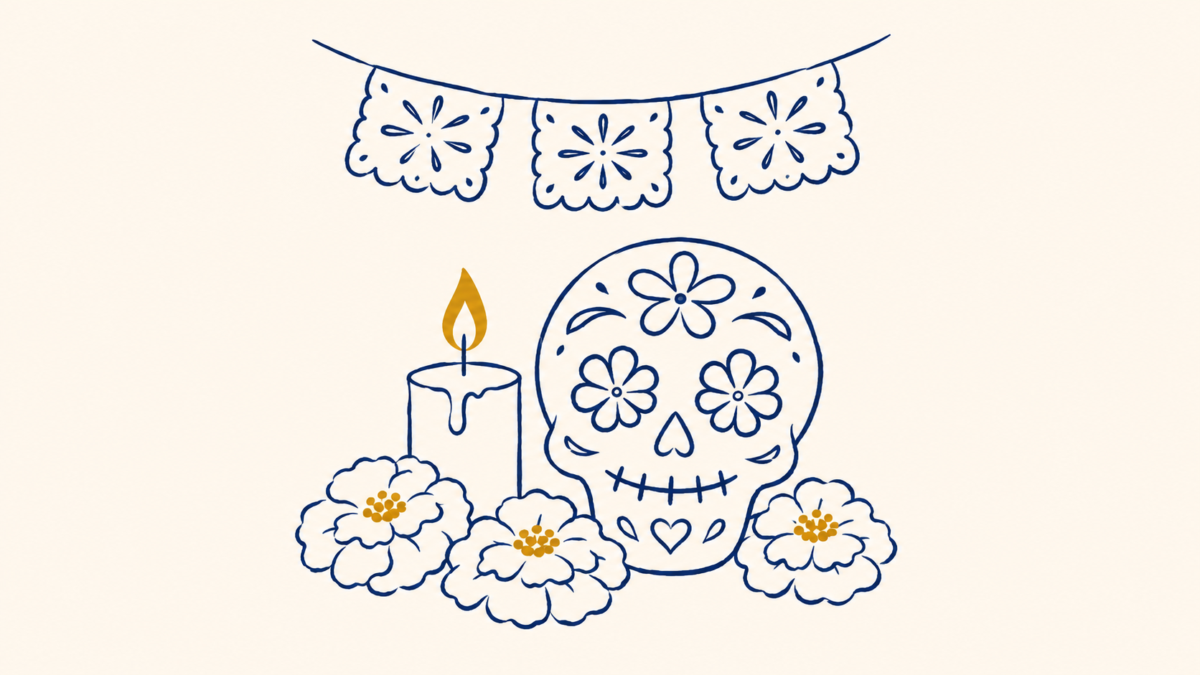
Last week, students in first through third grade learned about this special holiday in Spanish class. In preparation, students first studied important facts about Mexico. They learned about the history of the country, its indigenous roots, the many contributions made by the Aztecs and Mayans to mathematics, astronomy, architecture, and even sports, its music, and about different foods that originated there, such as chocolate, coffee, and corn. During our Día de los Muertos classes, students learned about how the holiday is honored in various countries and watched videos about how children their age celebrate the holiday. Students also completed crafts centered around sugar skulls. Sugar skulls are an important symbol for Día de los Muertos, as they represent the sweetness of life, the cycle of life, and they represent our loved ones who have departed. They are meant to be fun and friendly, rather than spooky, in this centuries-old tradition.
Students in all three grades enjoyed learning about this fascinating holiday, made wonderful connections with their cultures and Mexican culture, reveled in sharing about their families and traditions with regard to honoring their loved ones, and they had a lot of fun in the process.